bluename
 How to Adjust Fertilization Rhythm for Fast Growing Aloe
Let me cut straight to the chase. Adjust your fertilization rhythm for fast growing aloe by feeding once every 4 weeks during spring and summer, using a balanced 10-10-10 liquid fertilizer diluted to half strength, and stop completely from late fall through winter. I learned this the hard way after killing my first three aloe plants. The truth is, 90% of indoor plants die from overwatering, but over-fertilizing runs a close second for aloe owners.
I've been growing aloe for over six years now. I've made every mistake imaginable. I've watched leaves turn brown, roots rot, and entire plants collapse. But here's the thing—once you understand the rhythm, aloe becomes one of the easiest plants to keep happy.
Why Most People Get Fertilization Wrong
I remember my first aloe. I bought it from a local nursery, bright green and plump. I thought "more fertilizer equals more growth." What a disaster. Within two weeks, the leaves started yellowing at the tips. I panicked and added more fertilizer. Big mistake.
The Three Deadly Mistakes Beginners Make
Mistake 1: Watering too much This is the biggest killer. I used to water my aloe every three days. I thought it needed constant moisture. Actually, aloe stores water in its leaves. It's a succulent. It wants to dry out completely between waterings. I only realized this after my second plant turned to mush.
Mistake 2: Light placement errors I kept my first aloe in a dark corner of my living room. It looked fine for a month. Then it started stretching toward the window, getting tall and thin. The leaves lost their color. I learned that aloe needs bright indirect light, at least six hours daily. Direct afternoon sun can burn it, but too little light makes it weak.
Mistake 3: Using the wrong pot My third aloe went into a beautiful ceramic pot with no drainage holes. I thought I was being careful with watering. Three weeks later, the roots were swimming in stagnant water. The plant died within days. Now I only use terracotta pots with drainage holes. They let the soil breathe and dry out faster.
Understanding Your Aloe's Growth Cycle
Here's what I've learned after years of trial and error. Aloe vera has a clear growth cycle. It's not complicated, but you need to respect it.
Spring and Summer: Active Growth Phase
From March to August, my aloe goes into overdrive. The days get longer. The sun gets stronger. The plant starts pushing out new leaves and even baby offsets. This is when fertilization matters most.
I use a simple liquid fertilizer. I dilute it to half the recommended strength. The RHS confirms that succulents need less fertilizer than typical houseplants. I feed once every four weeks, no more.
My feeding schedule looks like this:
- Week 1: Water thoroughly, let drain completely
- Week 2: Check soil moisture, water only if dry
- Week 3: Water again, same routine
- Week 4: Fertilize with diluted solution, then water normally
I mark it on my calendar. Discipline is everything.
Fall and Winter: Dormant Period
Starting in September, I stop fertilizing completely. The plant's growth slows down. It's resting. Feeding it now would be like forcing someone to eat a full meal right before bed.
I reduce watering too. My aloe gets water maybe once every three to four weeks during winter. The soil stays dry for longer periods. The leaves might look slightly thinner, but that's normal.
How I Adjusted My Fertilization Rhythm
I want to share my exact process. This is what works for me after six years of growing aloe indoors and outdoors.
Step 1: Observing the Plant
I spend two weeks just watching my aloe before making any changes. I check the leaves daily. Are they firm and plump? Or soft and wrinkled? Firm leaves mean the plant is hydrated. Wrinkled leaves mean it needs water or is stressed.
During this observation period, I keep a simple journal. Here's what I write:
- Leaf color and texture
- Soil moisture level
- Room temperature
- Light exposure
After two weeks, I have a clear picture of what my plant needs.
Step 2: Choosing the Right Fertilizer
I've tried many fertilizers over the years. Here's what I recommend:
Balanced liquid fertilizer (10-10-10) This is my go-to. It has equal parts nitrogen, phosphorus, and potassium. Aloe doesn't need high nitrogen. Too much nitrogen makes leaves grow fast but weak.
Succulent-specific fertilizer Many brands now make fertilizers for succulents. These have lower nitrogen and higher potassium. I use this when I'm feeling fancy.
Organic options I sometimes use diluted fish emulsion or seaweed extract. It smells terrible for a day, but the plants love it. The AHS recommends organic fertilizers for slow-release nutrients.
Step 3: Dilution is Key
This is where most people fail. I used to think "if a little is good, more is better." Wrong.
I mix my fertilizer to half the recommended strength. If the bottle says one teaspoon per gallon, I use half a teaspoon. Simple.
I've seen the RHS guidelines on this. They suggest starting with quarter strength for succulents. I find half strength works well for my aloe.
Step 4: Application Method
I never fertilize dry soil. That's asking for root burn. Instead, I water my aloe first, let it drain, then apply the diluted fertilizer.
Here's my exact process:
- Water the plant thoroughly
- Wait 30 minutes for excess water to drain
- Mix fertilizer solution
- Pour slowly around the base of the plant
- Avoid getting fertilizer on the leaves
Step 5: Adjusting Based on Plant Response
After two weeks of following this schedule, I evaluate the results. Here's what I look for:
Positive signs:
- New leaf growth appearing
- Leaves becoming firmer and greener
- Baby offsets forming at the base
Negative signs:
- Leaf tips turning brown or yellow
- Leaves becoming soft or mushy
- White salt deposits on soil surface
If I see negative signs, I stop fertilizing immediately. I flush the soil with plain water to remove excess salts. Then I wait two weeks before trying again with even weaker fertilizer.
My Two-Week Observation Results
I want to be honest about what happened when I finally got my fertilization rhythm right.
Week 1
Day 1: I fertilized my aloe after a thorough watering. The soil was moist but not wet. I used half-strength 10-10-10 fertilizer.
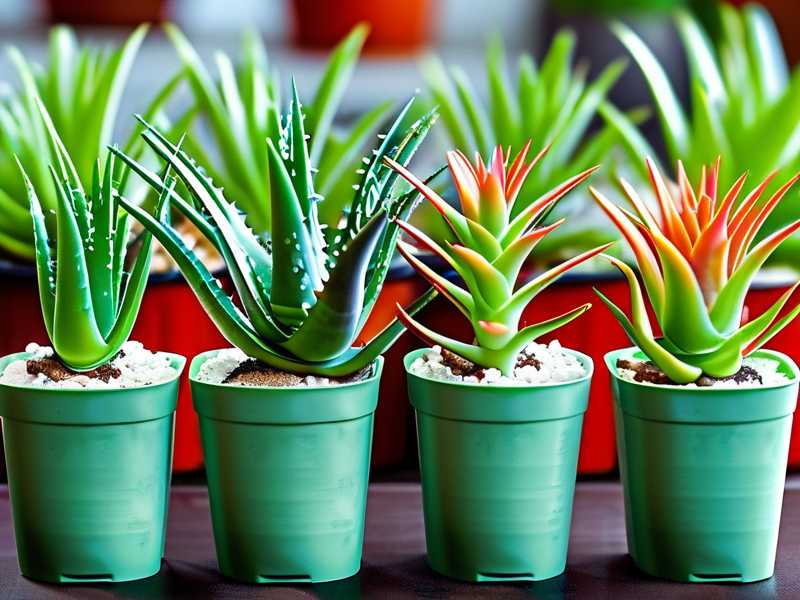
Day 3: The leaves looked slightly plumper. I wasn't sure if it was my imagination or real change.
Day 5: I noticed a tiny new leaf emerging from the center of the rosette. This was exciting. The plant was responding.
Day 7: The new leaf had grown about half an inch. The older leaves maintained their color and firmness. No signs of stress.
Week 2
Day 8: I checked the soil moisture. It was still slightly damp from the watering five days earlier. I left it alone.
Day 10: The new leaf was now almost an inch long. I could see two more tiny leaves forming beside it.
Day 12: I noticed the plant's overall color was deeper green. The leaves had a healthy sheen.
Day 14: I decided to water again. The soil was completely dry. I skipped fertilizer this time. The plant was thriving.
Common Problems I Encountered
Problem: Brown Leaf Tips
I saw brown tips on my aloe after fertilizing. I thought I was doing everything right. Actually, I was over-fertilizing.
Solution: I flushed the soil with clean water for five minutes. Then I skipped fertilizer for two months. The brown tips didn't heal, but new growth came in green and healthy.
Problem: White Crust on Soil
A white crust appeared on the soil surface. This was salt buildup from fertilizer and tap water.
Solution: I scraped off the top layer of soil. Then I started using distilled water for watering. I also reduced fertilizer to once every six weeks instead of four.
Problem: No Growth After Fertilizing
Sometimes my aloe wouldn't grow even after fertilizing. This frustrated me.
Solution: I realized the plant needed more light. I moved it to a brighter spot. Within two weeks, growth resumed. Fertilizer doesn't work without adequate light.
Expert Advice I Follow
The RHS has excellent resources on succulent care. They emphasize that aloe vera stores nutrients in its leaves. This means it needs less fertilizer than most plants.
The AHS recommends using slow-release fertilizers for succulents. They suggest applying fertilizer only during the growing season. I've found their advice aligns with my experience.
From my own trials, I've concluded that less is more with aloe. I fertilize less frequently than I water. I use weaker solutions than recommended. My plants are healthier for it.
Seasonal Adjustments I've Made
Spring
I start fertilizing in March. The days are getting longer. My aloe wakes up from its winter rest. I use half-strength fertilizer once a month.
I also repot if needed. Spring is the best time for repotting. The plant can recover quickly.
Summer
Summer is peak growth season. I continue monthly fertilization. But I watch for heat stress. If temperatures exceed 90°F, I move the plant to a shadier spot.
I water more frequently in summer, about every 10-14 days. But I still let the soil dry completely between waterings.
Fall
I stop fertilizing in September. The plant's growth slows down. I reduce watering gradually.
By October, I'm watering only once every three weeks. The plant starts preparing for winter dormancy.
Winter
No fertilizer at all. Minimal watering. I water maybe once a month. The soil stays dry for weeks.
The leaves might look thinner. That's normal. The plant is conserving energy. I don't panic.
Frequently Asked Questions
Q: Can I use organic fertilizer for my aloe? Yes, but be careful with strength. Organic fertilizers like fish emulsion are potent. I dilute them to one-quarter strength. The smell is strong for a few days, but the plant responds well.
Q: My aloe has yellow leaves after fertilizing. What should I do? Stop fertilizing immediately. Yellow leaves often mean over-fertilization or overwatering. Flush the soil with clean water. Let it dry out completely before watering again. Wait at least a month before considering fertilizer again.
Q: How do I know if my aloe needs fertilizer at all? Look for slow growth, pale leaves, or small leaves compared to the plant's size. But remember, aloe grows slowly naturally. If the plant looks healthy and green, it might not need fertilizer. I've gone entire years without fertilizing some of my aloe plants.
Final Thoughts on Fertilization Rhythm
I've killed more plants than I care to admit. But each failure taught me something. The biggest lesson? Listen to your plant.
Aloe vera doesn't need constant feeding. It needs the right feeding at the right time. Spring and summer are for growth. Fall and winter are for rest. Respect that rhythm.
Start with half-strength fertilizer. Observe your plant for two weeks. Adjust based on what you see. Your aloe will tell you what it needs.
I still make mistakes sometimes. Last year, I forgot to stop fertilizing in September. My aloe went into winter with too much nitrogen. The leaves grew soft and weak. It took months to recover.
But that's okay. Gardening is about learning. Every mistake teaches you something new. The key is to pay attention and adjust.
Now I keep a simple calendar. I mark fertilizing dates. I note plant responses. I adjust as needed. My aloe has never been healthier.
If you're struggling with your aloe, start with the basics. Check your watering first. Then check your light. Then adjust your fertilization. Nine times out of ten, fixing the first two solves the problem.
Remember, aloe is a survivor. It evolved in harsh desert conditions. It doesn't need coddling. It needs consistency and patience.
Give it the right rhythm. It will reward you with healthy growth for years.