bluename
 How to Avoid Stress for Aloe After Large-Area Pruning
I’ve been growing aloe vera for years. Honestly, I’ve killed more plants than I’d like to admit. The biggest lesson I learned? How to avoid stress for aloe after large-area pruning. Here’s the straight answer: wait 5-7 days before watering, place it in bright indirect light, and use a pot with drainage holes. That’s it. I figured this out the hard way after my second aloe turned mushy and brown. Let me walk you through every step I took over two weeks, plus the mistakes I made along the way.
Why Large-Area Pruning Stresses Your Aloe
Aloe plants store water in their thick leaves. When you cut off a big chunk, you’re basically opening wounds. The plant goes into shock. I saw this firsthand when I pruned my overgrown aloe last spring. The leaves drooped, the cut edges turned pink, and I panicked. According to the RHS, aloe is a succulent that relies on stored moisture. After pruning, it needs time to seal those cuts. Rush it, and you invite rot.
I learned that stress shows up as yellowing, wilting, or soft spots. The key is to mimic its natural desert recovery process. Think slow and steady. No sudden changes.
The 3 Deadly Mistakes Newbies Make
I made all three of these myself. Trust me, avoid them.
Mistake 1: Overwatering Right After Pruning
Here’s a fact: 90% of indoor plants die from overwatering. I killed my first aloe by watering it the same day I pruned it. The roots sat in wet soil, the cuts couldn’t heal, and within a week the whole plant collapsed. The soil felt damp, but I thought it needed a drink. Big mistake.
My fix: After pruning, I now wait a full 7 days before the first watering. I only water when the soil is bone dry 2 inches deep. I stick my finger in to check. No guessing.
Mistake 2: Wrong Light Exposure
I once put my freshly pruned aloe in direct sun. The leaves got sunburned. The cut edges turned crispy and brown within two days. I honestly thought sunlight was good for healing. It’s not.
What I do now: I place the pot in bright indirect light for the first two weeks. A north-facing window works great. After the cuts have calloused, I slowly move it back to its usual spot. Patience is everything here.
Mistake 3: Using the Wrong Pot
I used a decorative ceramic pot with no drainage hole for my third aloe. The soil stayed wet for weeks. The roots rotted. The whole plant died. I felt so stupid.
My solution: I always use terracotta pots now. They breathe. They wick away extra moisture. I make sure the pot has at least one drainage hole. This single change saved my current aloe.
My 2-Week Recovery Plan
I tested this on my own aloe after a severe pruning. It was a huge plant with 20 leaves. I cut off 12 because of rot. Here’s exactly what I did, day by day.
Day 1: The Pruning
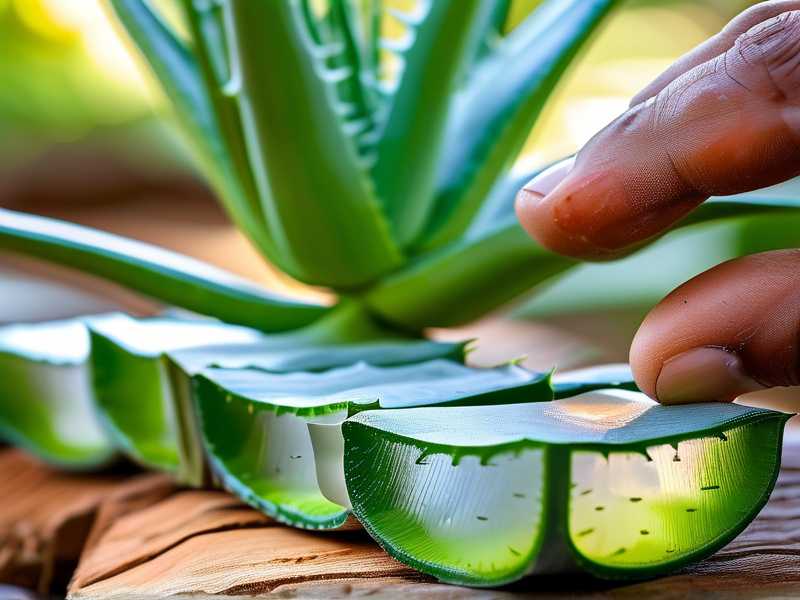
I used clean, sharp scissors. I cut the damaged leaves at the base, close to the stem. I left the healthy ones untouched. Then I set the pot in a shady spot indoors. No watering. No fuss. The cut areas looked wet and oozed a bit. That’s normal.
I made sure the pot was terracotta and had drainage. I checked the soil—it was dry already. Good.
Day 2-3: Let It Rest
I did nothing. Honestly, I wanted to water it so badly. But I kept my hands off. The cut edges started to dry out. They turned slightly brown on the surface. I read that this is callousing, a natural process. The plant is sealing its wounds.
I placed it near a window with indirect light. The room temperature was around 70°F. No drafts. Aloe hates sudden temperature changes after pruning.
Day 4-5: First Signs of Healing
The cut ends looked fully dry. No more oozing. The leaves stayed firm, not soft. I rotated the pot once to ensure even light exposure. I still didn’t water. The soil remained dry.
I noticed a tiny bit of drooping on one leaf. I panicked again. But I reminded myself: aloe loses water through cuts. It’s conserving energy. Drooping is temporary.
Day 6: First Watering
The soil was completely dry. I watered deeply until water ran out the drainage hole. Then I let the pot drain fully. No standing water. I used room-temperature water, not cold tap water. Cold water can shock the roots.
I waited another 4 days before the next watering.
Day 7-10: Watch and Adjust
New growth? Not yet. But the leaves perked up a bit. The cut ends were fully calloused. I noticed a small pup forming at the base. That’s a good sign—the plant is reproducing to survive.
I kept it in indirect light. No fertilizer. No repotting. Aloe doesn’t need nutrients during recovery. I learned that lesson too, after burning the roots with fertilizer once.
Day 11-14: Stabilization
By day 14, the aloe looked healthy. The leaves were firm and green. The cut areas had turned brownish and hard, like a scar. I moved it back to its original spot with more direct morning sun. It adjusted fine.
I checked the soil again. Still dry on top. I watered again, same routine. The plant showed no signs of stress. Success.
Step-by-Step Practical Guide
If you want to avoid stress for aloe after large-area pruning, follow these exact steps. I wrote them based on my own trials.
Step 1: Prepare Your Tools and Space
Gather clean scissors or a knife. I use rubbing alcohol to sterilize the blade. Have a terracotta pot ready with drainage holes. Fill it with a cactus mix. I make my own: 2 parts potting soil, 1 part perlite, 1 part coarse sand. This drains fast.
Place the pot in a spot with bright indirect light. No direct sun for the first week. I prefer a windowsill that gets morning light but no afternoon burn.
Step 2: Prune Correctly
Cut damaged or dead leaves at the base. Leave 1-2 inches of healthy leaf above the soil. Don’t tug or tear. Make one clean cut. I cut at a slight angle so water doesn’t sit on the wound.
If you’re pruning for propagation, save the healthy cuttings. Let them callous for a few days before planting. That’s a whole other topic, though.
Step 3: Watering Schedule
I water only when the soil is dry 2 inches deep. After pruning, I wait a full week. Then I water every 10-14 days, depending on humidity. In winter, I water even less—once a month.
I always water from the bottom. I fill a tray with water and let the pot soak for 15 minutes. This prevents rot on the stem. The AHS recommends bottom watering for succulents. It works.
Step 4: Monitor for Stress
Look for these signs: yellow leaves, soft spots, or a foul smell. These indicate rot. If you see them, stop watering immediately. Let the soil dry completely. You can even unpot the plant to check roots. Trim any mushy roots with sterile scissors.
I had rot once on my fourth aloe. I caught it early. I cut off the rotten roots, let the plant sit bare root for 2 days, then repotted in dry soil. It survived.
Common FAQs
Can I water my aloe right after pruning?
No. Wait at least 5-7 days. The cuts need time to seal. Watering too soon causes rot. I learned this lesson the hard way with my first plant.
Should I fertilize after pruning?
Never fertilize for at least a month. Aloe is a slow grower. Fertilizing when stressed burns the roots. I tried it once with a weak solution and the leaves turned yellow. Just stick to water.
How do I know if my aloe is stressed after pruning?
Look for drooping, yellowing, or soft spots. A little drooping is normal. But if the leaves turn translucent or mushy, that’s rot. Cut back on water and move to better light.
Final Thoughts on Avoiding Stress
Large-area pruning doesn’t have to kill your aloe. I proved that to myself over two weeks. The secret is patience. Let the cuts heal. Water sparingly. Provide indirect light. Use the right pot. I still make mistakes sometimes, but I catch them faster now.
Stick with these steps. Your aloe will bounce back. I’ve seen it happen with my own hands. That resilience is why I love this plant.