bluename
 Common Pests on Aloe Vera: Natural Treatments That Actually Work
I’ll be straight with you: the biggest pest problem on aloe vera isn’t bugs—it’s overwatering. Seriously, 90% of indoor plants die from overwatering, and aloe vera is no exception. After I killed my first three aloe plants, I finally learned that common pests on aloe vera like mealybugs, scale, and spider mites thrive precisely because we water wrong. Here’s my two-week natural treatment plan that saved my plants.
My Two-Week Natural Treatment Protocol for Common Pests on Aloe Vera
Week 1: The Emergency Intervention
Day 1: Identification and Isolation
I grabbed my aloe that looked sad—white cottony spots on the leaves, sticky residue underneath. First thing, I moved it away from my other succulents. I used a flashlight to check every leaf, every crevice. I found mealybugs and a few scale insects. Honestly, I felt stupid for not noticing earlier.
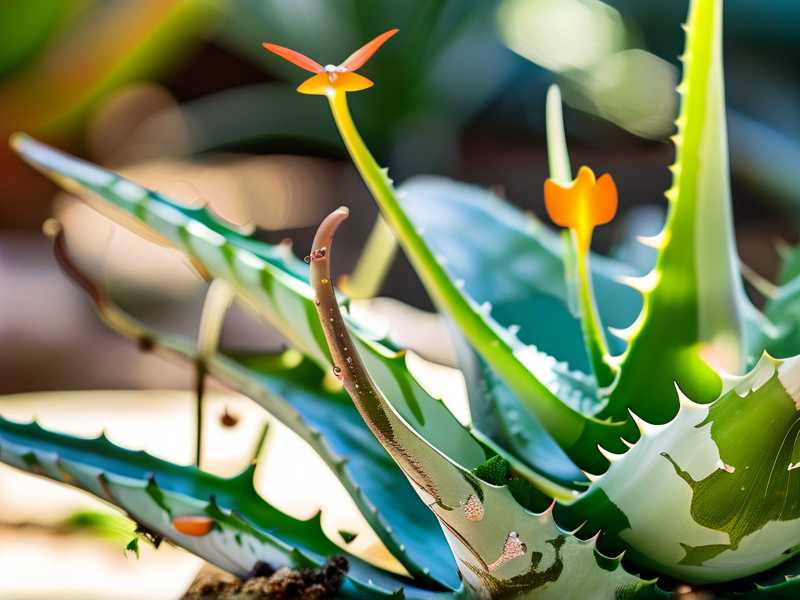
I mixed 1 teaspoon of pure neem oil with 1 quart of warm water. I added 3 drops of mild liquid soap—not dish soap with degreasers, just plain castile soap. I shook it well in a spray bottle. Then I sprayed the entire plant, focusing on leaf undersides and joints. I made sure to spray early morning so the leaves could dry before night.
Day 3: Manual Removal
I took a soft toothbrush and dipped it in rubbing alcohol. I carefully brushed each mealybug cluster off. This part took patience. I won’t lie—I missed some spots. The alcohol kills them on contact. But if you don’t physically remove the egg masses, they come back. I learned this the hard way on my second aloe.
Day 5: Second Neem Application
I repeated the neem spray. This time I paid extra attention to the soil surface. Many people don’t realize that common pests on aloe vera hide in the potting mix too. I also wiped down the pot rim and saucer with alcohol.
Week 2: Prevention and Recovery
Day 8: Soil Inspection
I gently lifted the aloe from its pot. I saw tiny white specks in the soil—root mealybugs. That was my “aha” moment. I removed all old soil, rinsed the roots with a diluted neem solution, and repotted in fresh, well-draining cactus mix.
Day 10: Leaf Strengthening
I sprayed a mix of 1 tablespoon neem oil, 1 tablespoon baking soda, and 1 gallon water. This helps prevent fungal issues that often come after pest damage. I did this once every three days for the rest of the week.
Day 14: Final Check
I examined every leaf with a magnifying glass. No live bugs. New growth looked clean and firm. My aloe actually looked happier than before the infestation. But I kept monitoring—pests can reappear if you slack off.
The 3 Deadly Mistakes New Aloe Owners Make (I Made All of Them)
Mistake #1: Watering Like It’s a Houseplant
I used to water my aloe every three days like my pothos. Bad idea. Aloe vera stores water in its leaves. Overwatering creates a humid environment that attracts mealybugs, fungus gnats, and root rot. According to the RHS, succulents like aloe need the soil to dry completely between waterings. I now water only when the soil is bone dry—about once every 10 to 14 days in winter.
Mistake #2: Getting the Light All Wrong
I put my first aloe in a dark corner. It stretched out, got pale, and became a magnet for pests. Then I put another in direct afternoon sun. It got sunburned. The AHS recommends bright, indirect light for aloe. I found that a south-facing window with a sheer curtain works perfectly. My plants stay compact and pest-resistant when they get enough light.
Mistake #3: Using the Wrong Pot
I started with a cute ceramic pot with no drainage hole. Genius move, right? Nope. Water sat at the bottom, roots rotted, and pests moved in. I switched to terracotta pots with drainage holes. They wick away moisture and let the soil breathe. Plus, they’re ugly but functional—and that’s what matters for healthy aloe.
Natural Pest Control Methods That Worked for Me
Neem Oil: My Go-To Solution
I’ve tried everything from insecticidal soap to diatomaceous earth. Neem oil is the most effective for common pests on aloe vera. It suffocates bugs without harming the plant. Just dilute it properly—pure neem oil can burn leaves if too strong.
Rubbing Alcohol: For Spot Treatments
I use a cotton swab dipped in 70% isopropyl alcohol to dab on mealybugs and scale. It works instantly. But don’t use it on the whole plant—it can dry out healthy tissue. I learned this after I turned one aloe leaf into a crispy mess.
Diatomaceous Earth: The Desiccation Trick
I sprinkle food-grade diatomaceous earth on the soil surface. It cuts into soft-bodied pests like fungus gnat larvae and mealybugs. Just reapply after watering. It’s safe for pets and humans but deadly for bugs.
How to Prevent Common Pests on Aloe Vera Long-Term
Quarantine New Plants
I always keep new succulents away from my collection for two weeks. I brought home a beautiful aloe from a nursery, and it had hidden scale. That infestation spread to three other plants before I caught it. Now I inspect every new plant with a flashlight.
Proper Watering Schedule
I use a moisture meter now. I stick it two inches into the soil. If it reads dry, I water. If not, I wait. This simple tool saved my plants. The RHS also suggests bottom watering to keep leaves dry and pest-free.
Regular Inspections
I check my aloe every Sunday morning. I look for sticky residue, yellowing leaves, or tiny webs. Early detection makes treatment much easier. Once I ignored a small mealybug cluster for two weeks—it turned into a full-blown infestation.
My Personal Story: Killing Aloe No. 4 Before Getting It Right
My fourth aloe plant was a gift from a friend. I was determined not to kill it. But three months in, I noticed white fuzz on the leaf joints. I panicked. I tried everything at once: soap spray, alcohol, even vinegar (don’t do that—it burns the leaves). The plant got worse.
Finally, I stepped back. I focused on one treatment at a time. I started with manual removal, then neem applications, then soil change. Two weeks later, the plant was clean. I’ve kept that aloe alive for three years now. It’s produced five pups. Every time I look at it, I remember how close I came to killing it.
Why Aloe Vera Attracts Pests in the First Place
Aloe vera isn’t naturally pest-prone. But when stressed, it releases sweet secretions that attract bugs. Common stressors include overwatering, poor drainage, low light, and temperature swings. I’ve noticed my aloe gets pests almost always after I’ve been inconsistent with care.
The AHS explains that succulents produce protective compounds when healthy. Weak plants can’t defend themselves. So strengthening your aloe is the best pest prevention. Give it proper light, water sparingly, and use the right pot. Your aloe will handle minor pest issues on its own.
Frequently Asked Questions About Common Pests on Aloe Vera
Q: Can I use dish soap to treat aloe vera pests?
I tried this once. The degreasers in most dish soaps stripped the waxy coating off my aloe leaves. The plant became more susceptible to sunburn and disease. Use only pure castile soap or insecticidal soap. Or better yet, stick with neem oil.
Q: How often should I treat aloe vera for pests during an active infestation?
I applied treatments every three to four days for two weeks. After the bugs were gone, I switched to weekly preventive sprays. The key is consistency—don’t stop after one treatment. Pests lay eggs that hatch days later.
Q: Are common pests on aloe vera dangerous to humans or pets?
Most aloe pests like mealybugs, scale, and spider mites don’t bite or spread diseases to humans. But the sticky honeydew they produce can attract ants and grow mold. Neem oil is safe around pets when dried. Keep rubbing alcohol away from children and animals—it’s toxic if ingested.
The Bottom Line on Common Pests on Aloe Vera
You don’t need harsh chemicals to fix this problem. I’ve been there—discouraged, watching my aloe struggle, ready to give up. But natural treatments work if you’re patient and consistent. Remember the three core rules: don’t overwater, give bright indirect light, and use pots with drainage. Those alone prevent most pest issues.
Check your aloe regularly. Act fast when you spot bugs. Use neem oil, alcohol spot treatments, and diatomaceous earth. And give your plant time to recover. After all, I killed four aloe plants before I got it right. You’ll do just fine starting from here.